Safety is More Than Priority
Safety Vision
To be an organization that everyone home safe every day
Safety Mission
To implement a world-class safety culture that drive zero injury workplace
Target
Zero Serious Injury and Fatality (SIF)
Leadership message
In AMORNEX, Safety is one of the core value of company. So impelmenting stronge safety culture in our project is mandentory. And I fully believe Zero injury is possible.
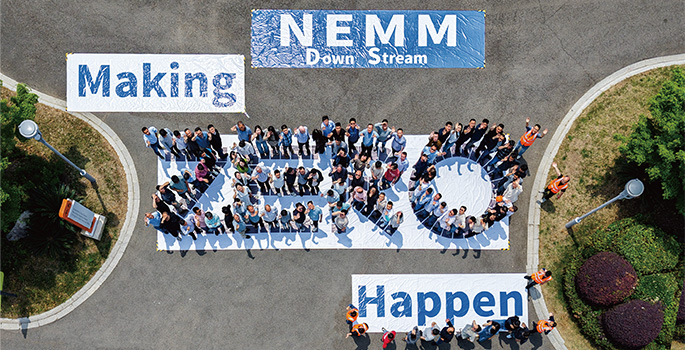
Making ZERO happen is not negotiable. We as leader will allocate resources and hold ourselves accountable until safety is not just expected but inherent in everything we do. Zero is not a destination. It’s the standard by which we lead.
Culture and Risk Management
Culture
Safety-Driven Leadership
Company leaders, as role models, are fully accountable for driving the evolution of the H&S Culture toward the Interdependent stage within their perimeter—demonstrating Safety Driven Leadership and Teamwork by living safety values, encouraging open dialogue, setting the right example, and making safety a daily priority.
Proactive & Empowered Workforce
People don’t wait for someone else to fix safety issues. They speak up, assess risks, and take initiative—not out of obedience, but from a conscious commitment to safety—whether that means stopping unsafe work or suggesting improvements.
Always Learning, Always Improving
Mistakes and near-misses are seen as opportunities to get better. The focus is on learning and prevention rather than blame.
Fairness & Accountability
A “Just & Fair Culture” means that people are held accountable, but in a way that promotes trust, learning, and continuous improvement—not fear.
Safety as a Way of Working
Safety isn’t an add-on—it’s built into how the company operates. It’s part of decision-making, daily routines, and long-term strategy. Everyone believes that zero harm is possible—and works together to make it happen.
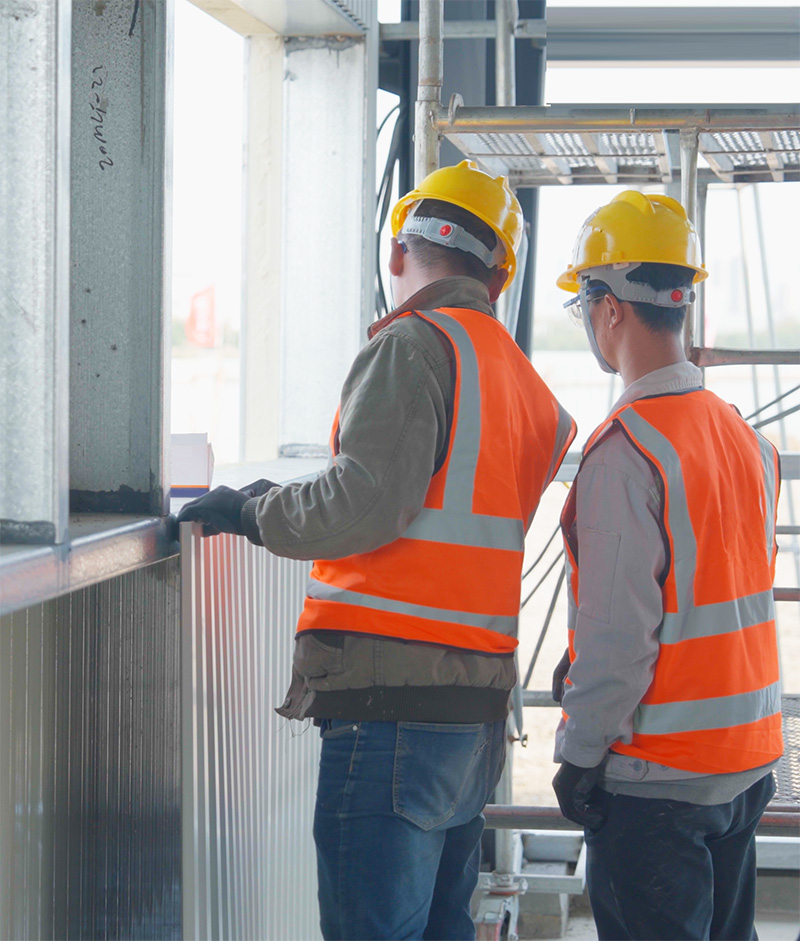
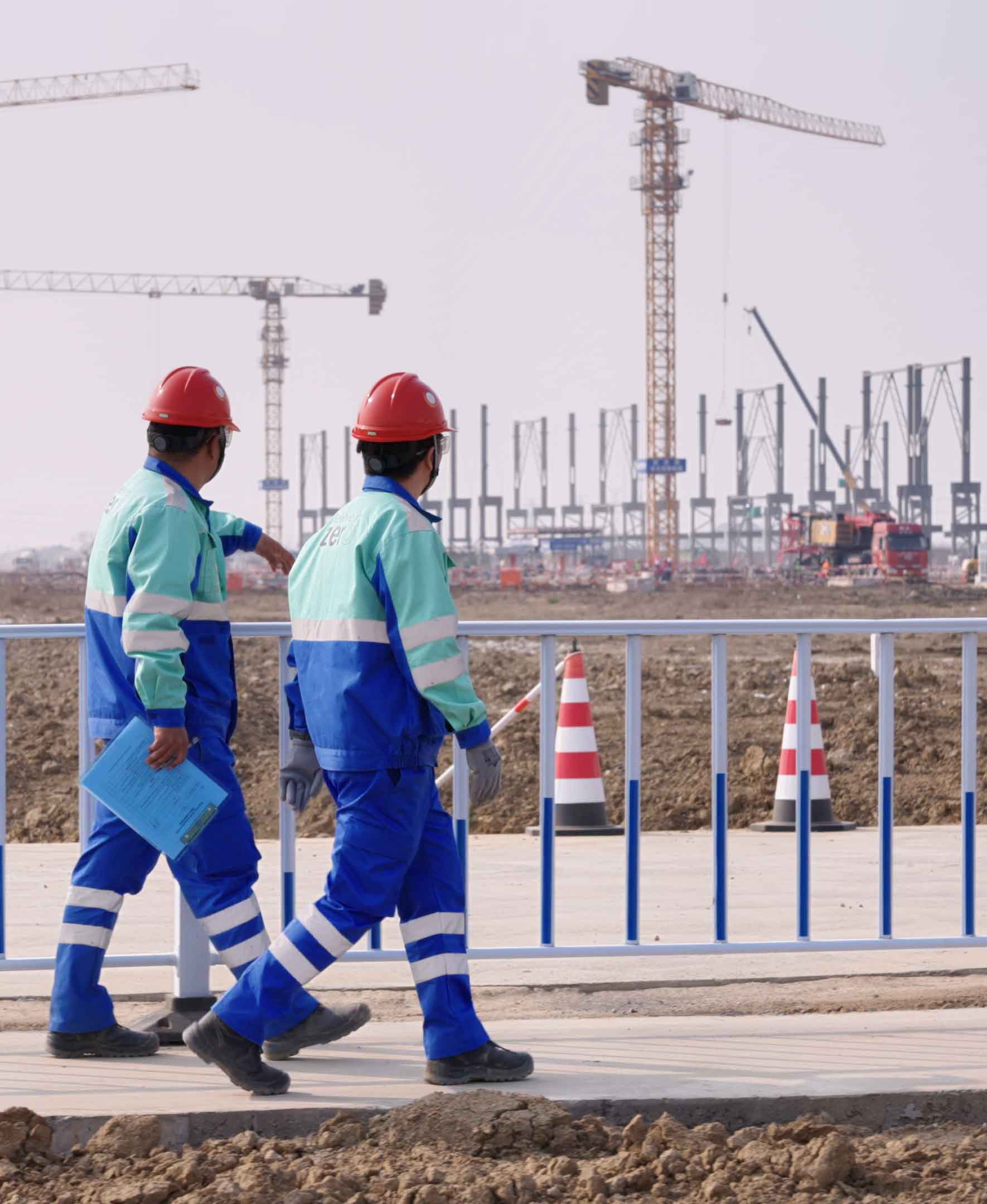
No activity or process should start without properly identifying hazards and putting effective risk controls in place. Risk assessments must cover both routine and non-routine tasks, including changes to operations, processes, or personnel. All units must prioritize the most effective controls (following the ‘Hierarchy of Controls’) while considering the maturity of the local safety culture to eliminate or reduce risks.
Senior leadership, managers, and front-line leaders must set clear expectations, allocate the necessary resources, and fully integrate risk management into strategic and operational decision-making. They are also responsible for leading by example and actively reinforcing the Stop Work initiative whenever risks are not effectively controlled.
Everybody shall work together to:
• ensure all tasks undergo rigorous risk assessment,
• define measures according to the hierarchy of controls,
• verify the proper application of identified controls,
• stop work in case of deviation or change(s) in conditions.
Project Safety Plan
FPS
- Plan : Define rules to manage high risk activities: the Fatality Prevention Standards (FPS)
- Do : The “on site” FPS implementation, after a self evaluation of the gap for compliance with each FPS
- Check : Crossed FPA auditing by internal auditors (Corp.& Segment H&S Team)
- Act : Closed loop on the action plan after audit
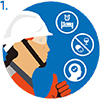
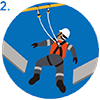
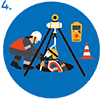
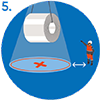
- FPS Content list : Crane and lifting/vehicle/work at height/Isolation/Electric safety/Incident Management….
Critical control
- Content List : Crane and lifting/vehicle/work at height/Excavation/Electric safety

RESPECT THEM TO STAY ALIVE